Eating Healthy but the scale keeps going up?
How to actually ditch the Menopause Belly
Lets talk about Visceral fat — The most dangerous fat on a woman in menopause isn’t on your hips. Its wrapped around your ORGANS
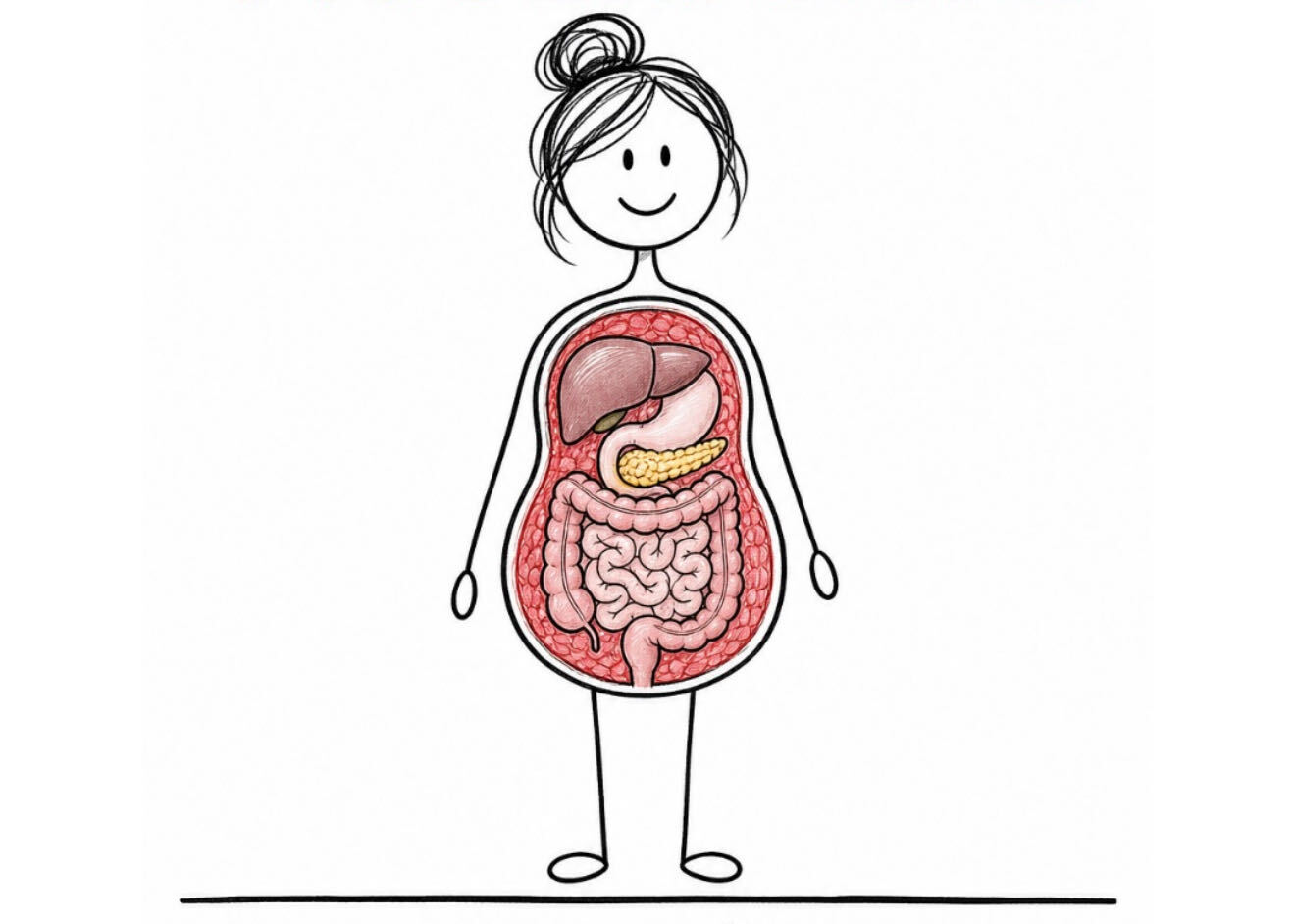
Great to have you here
I’m Laura Lambe, Menopause Practitioner and the owner of Menopause Mastery which to date has been responsible for over 3,000 Menopausal Women ditching their menopause weight gain. Getting women to fit back into their clothes and feel confident again is something myself and my team of menopause specialists LOVE doing.
BUT this is not just “Belly Fat”
Visceral fat is strongly associated with Inflammation, Metabolic dysfunction and Cardiovascular disease. At present the leading cause of death in women is cardiovascular disease and an early sign that your risk for this is heightened is weight gain around the core (combine this with a change in blood pressure and/or cholesterol and the heightened risk is amplified)
{{ riskLabel }}
{{ riskCopy }}
I’m a huge advocate of educating women about HEALTH
For most of your life, weight and the number on the scale etc has been tied solely with “getting summer ready” “ditch 5lbs for your favourite jeans” — there’s nothing wrong about having aesthetic goals but with 1 in 2 women DYING from cardiovascular disease its time for us as women to have more direct conversations about HEALTH
So let’s learn why gaining weight in menopause is very easy, why losing it feels impossible now, exactly the role hormones play in it all and why reducing your visceral fat or your “meno belly” is extremely important for your lifespan…
Find what’s causing your weight loss RESISTANCE
Weight Loss in Menopause is not solely about EATING LESS AND MOVING MORE..
Two questions my team of Menopause Consultants get every single day when hosting screenings are:
“Why is my weight going up when I’m doing the same things I’ve always done?”
And “I’m eating less and less, and I’m moving more and more, and it’s still not shifting, why?”
So if you have found yourself asking these you are definitely not alone. The average weight gain during menopause is 40lbs and weight gain is inside the top 5 most common menopause symptoms.
The vast, vast, vast majority of women that come to my practice with menopausal symptoms and a weight goal are eating very healthy.
They are actually very dedicated to this. It’s got nothing to do with them being lazy.
It’s simply they are being told misinformation BS, and they’re not told actual facts
Menopause weight is biologically different
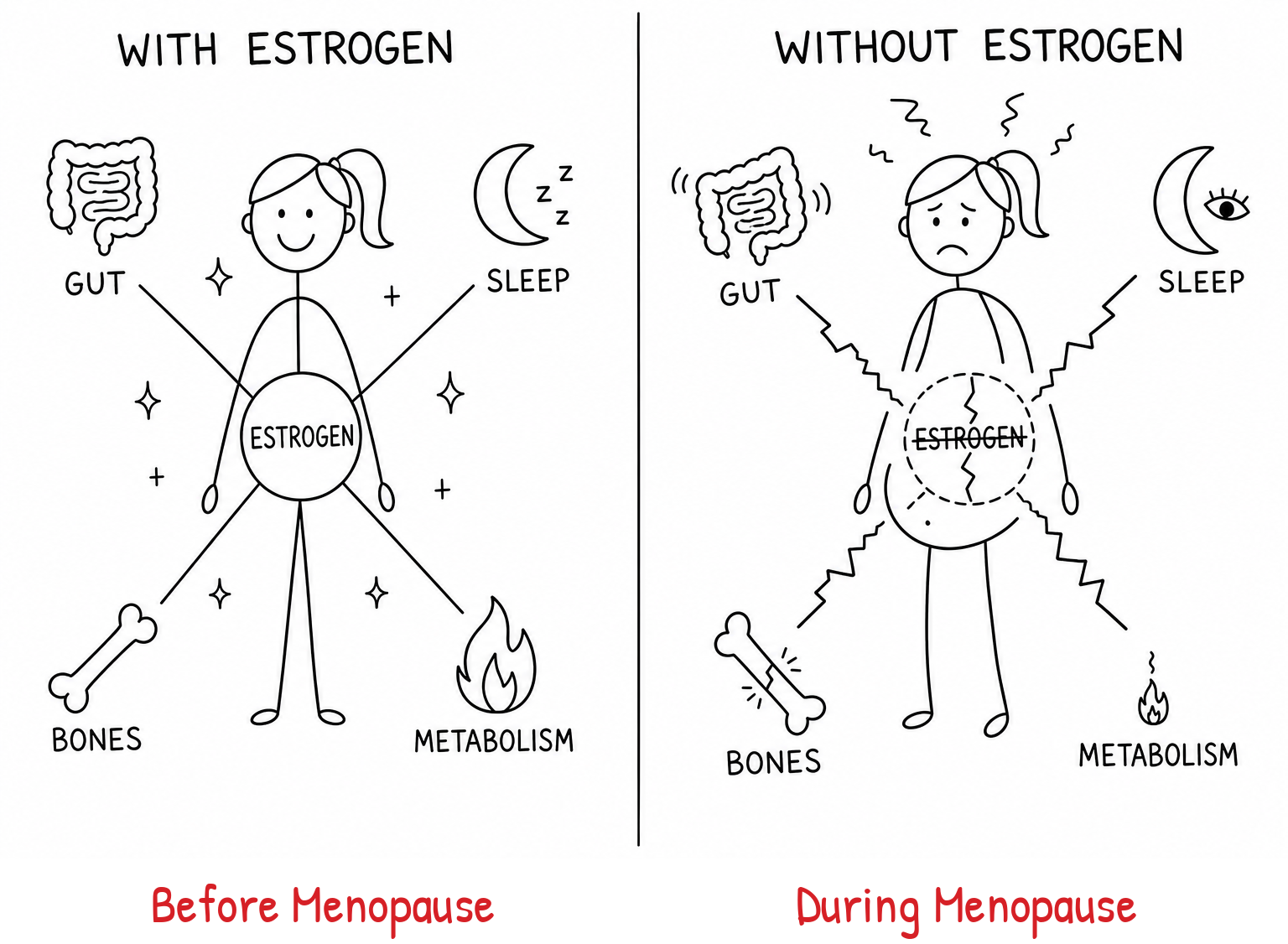
“Hence, if your body has changed, your approach to looking after it must also change”
When estrogen begins to fluctuate and decline in both peri- and post-menopause, THREE important things occur
We all have two types of body fat
The weight around your body just under your skin, the pinchable fat
Like I mentioned earlier, deeper and around your organs
We will talk about both of these throughout this guide. You can get an inbody scan to tell you the exact breakdown of what fat you have gained but its also quite easy to roughly break it into the below
Which type of fat have you gained?
Don’t skip this. Everything that follows depends on knowing what you’re actually targeting. Make a note of your answer.
{{ fatVerdict }}
BOTH change when we add the spice of menopause hormones to them. So lets learn how to reduce them and start feeling more like you again!
I only talk about the science behind the actual weight loss both for subcutaneous and visceral fat here, not the power of CONSISTENCY. There are two parts to success — knowing WHAT to do and then knowing HOW to do it when life gets in the way (which it always will). We are just covering the first part here: right now you are still trying to do what worked BEFORE menopause — let me correct that because this is a large reason why you are still stuck
To lose your MENO BELLY you need to look elsewhere
I have seen women stuck with 20lbs, 30lbs etc for YEARS then when they finally learn the actual driver of their weight loss resistance they lose that weight in MONTHS. They had been trying for YEARS, so it was never a lack of effort — they were simply following an old set of rules for a body they no longer have
I’m going to explain meno belly using SLEEP for a bit here so stay with me — it will make sense!
Sleep issues in menopause is something over 80% of women experience and unfortunately MOST women receive the wrong solution, hence stay struggling with poor sleep for years
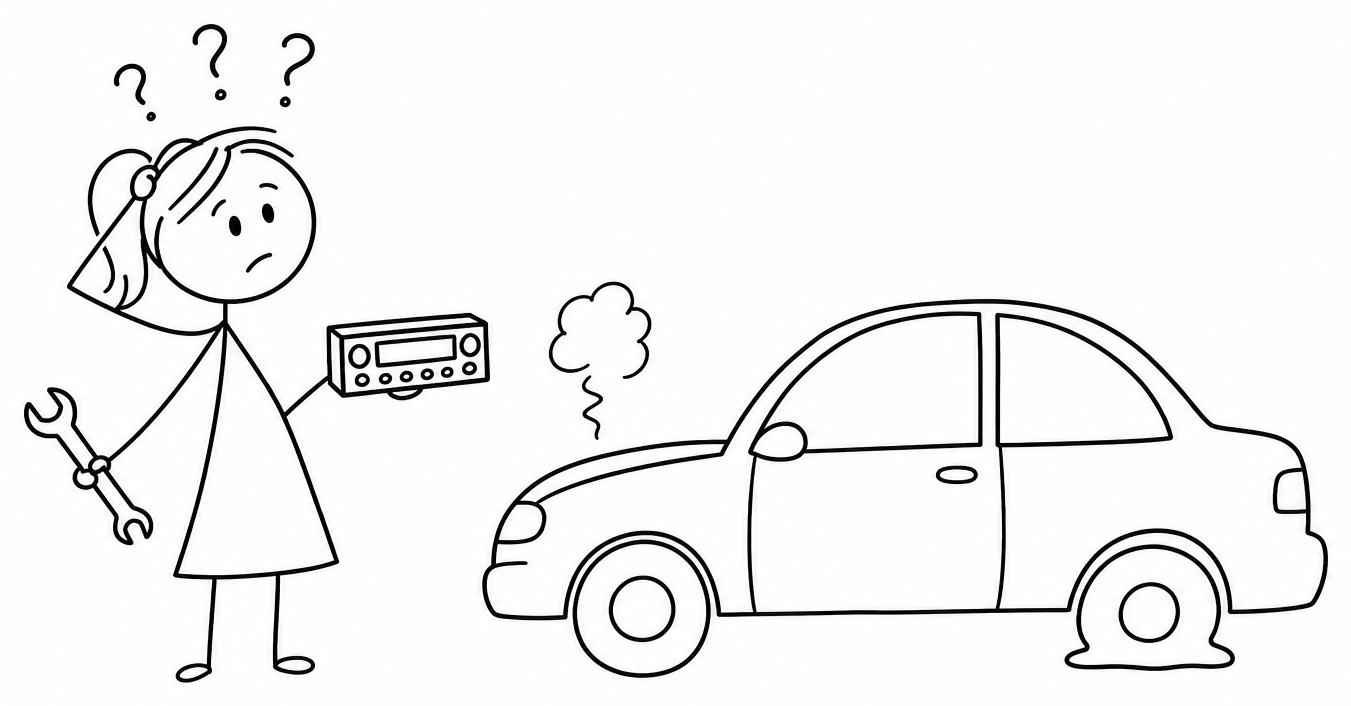
If your car broke down what would you do? Would you start randomly changing the breaks or the radio or the tires?
No!You would look under the hood and investigate WHY then fix that
Fix the causeIts the same with sleep — most women are thrown a sleep aid or magnesium supplements. This is exactly like changing the radio or tyres in your car without figuring out why it broke it down in the first place
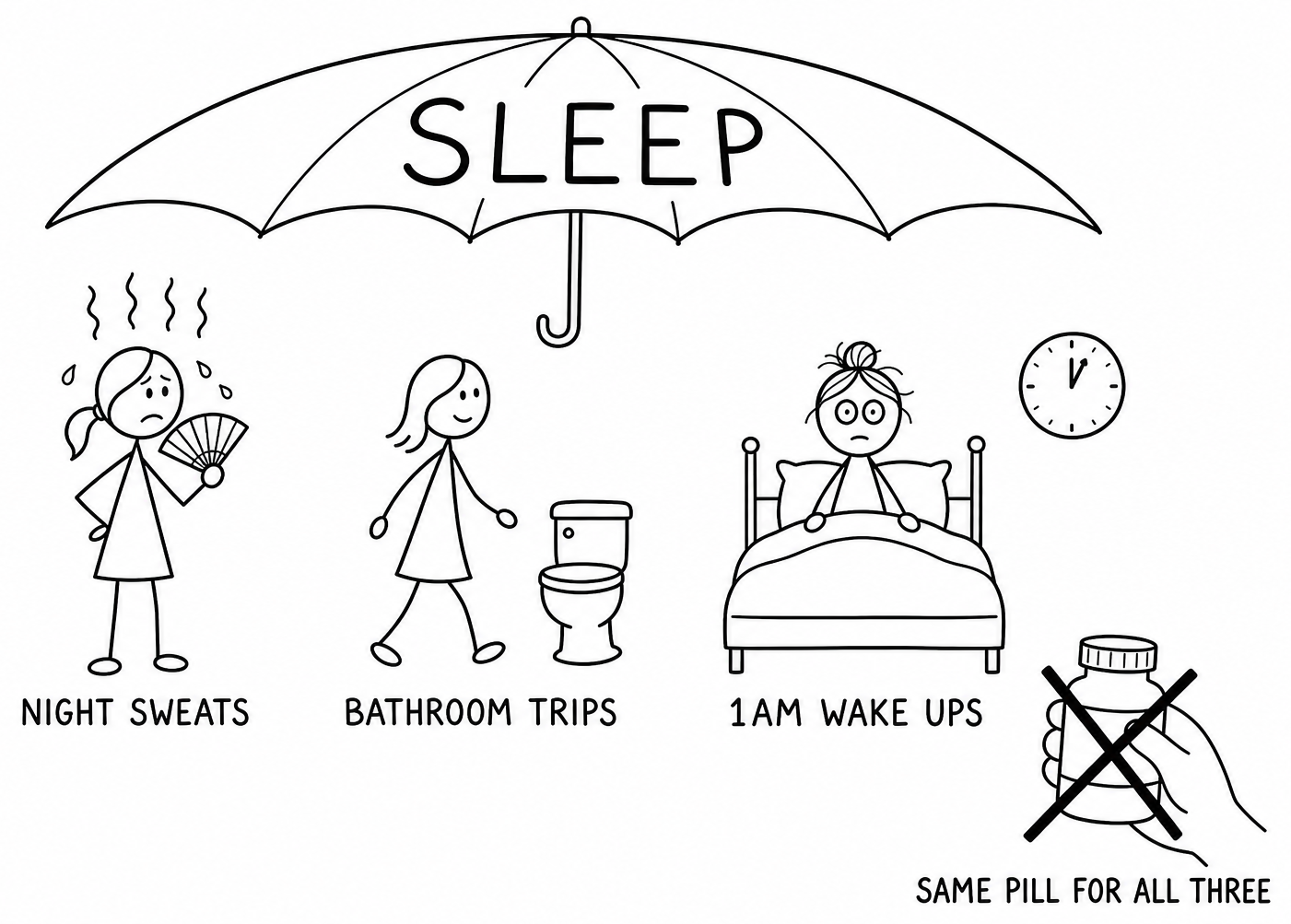
SLEEP is what we call an “umbrella term” with many symptoms sitting under it. We DO NOT treat umbrella terms, we look under the hood of the car to see what’s causing the issue and fix that
If your broken sleep is a result of night sweats we fix that — no magnesium sleep is fixing that
If your broken sleep is a result of getting up to go to the bathroom then you need pelvic floor exercises — no magnesium or sleep aid is fixing that
If you just randomly wake up at 1am 2am then we need to look at deeper at cortisol signs
Just like the car we figure out WHY the car broke down and fix THAT
You know what else is an “umbrella term”? VISCERAL FAT or “meno belly” as its popularly known as on social media
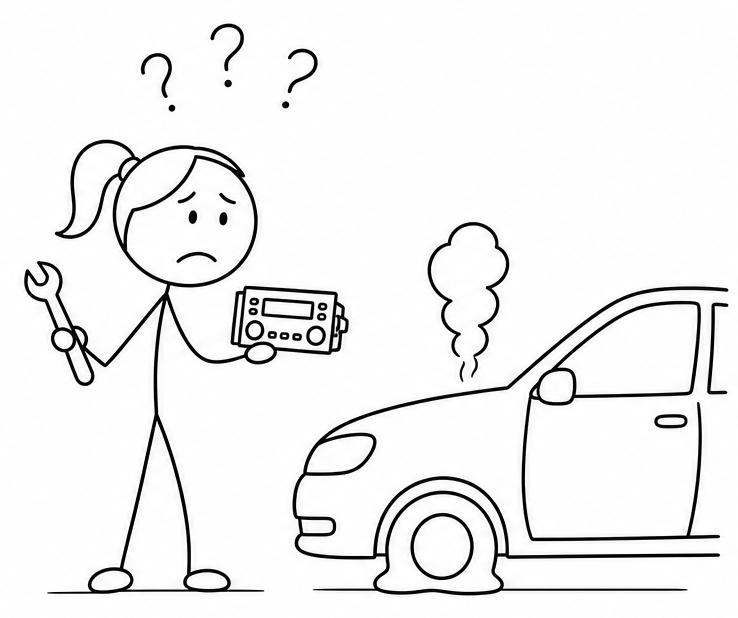
Right now you are that person randomly changing the tyres, radio, engine of your broken car and getting frustrated why uts still broke
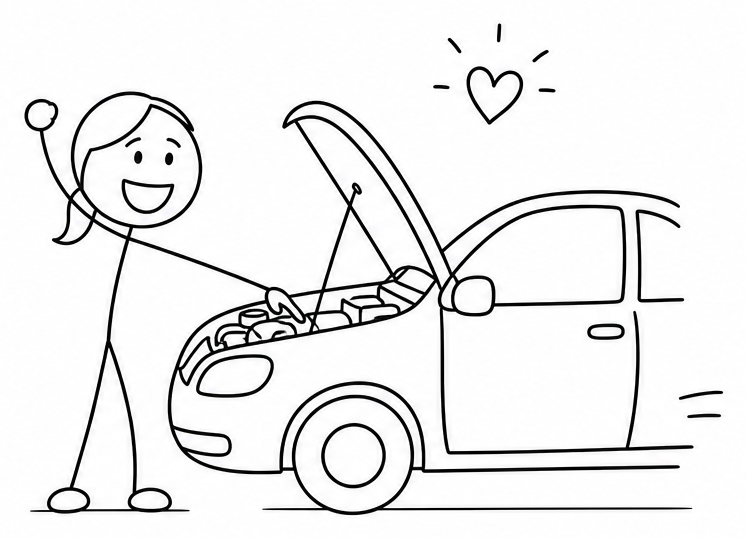
The difference between you and all these women is that they learnt how to look under the hood, identify the root issue that was driving the meno belly then FIXED THAT
VISCERAL FAT is not about eating less and less — you actually don’t need me to tell you that. You already have been eating less and less and what happened to the scale? It went up!
These are the root issues you are looking for when you open the hood of that car, the car being visceral fat
Identify your biggest driver of visceral fat
So what is the FIRST step in seeing your meno belly come down? Identify your biggest driver of visceral fat. For the symptom groups below count how many symptoms in each group you have — the group with the highest number is your starting point. Tap your symptoms below.
Not sure which of the symptom groups you fall into?
Get your entire Menopause Health screened in 3mins and have your root driver uncovered. Instead of guessing whether it’s your sleep, your gut, or your cortisol, go through the screening and our mapping tool will hand you your root driver and a framework to reduce it. Delivered free.
Start my 3-minute screeningThe correct Fat Loss ORDER
So you now know what TYPE of weight loss you are targeting and if visceral fat is included, what is the main driver of that meno belly. Now we need to figure out your focus for the next 30days to start seeing results
If you have subcutaneous weight to lose you still need to be in a calorie DEFICIT but the large difference here is that it needs to be a HIGH deficit
This is one of the largest mistakes I see women make in menopause, they take their calories super low to 1200, 1300 etc or worse, even lower and wonder why the scale goes up.
In the last section we learnt the 5 main drivers of visceral fat. What do you think makes sleep worse? Gut worse? Cortisol worse?
Eating too little
“But Laura I eat healthy foods”
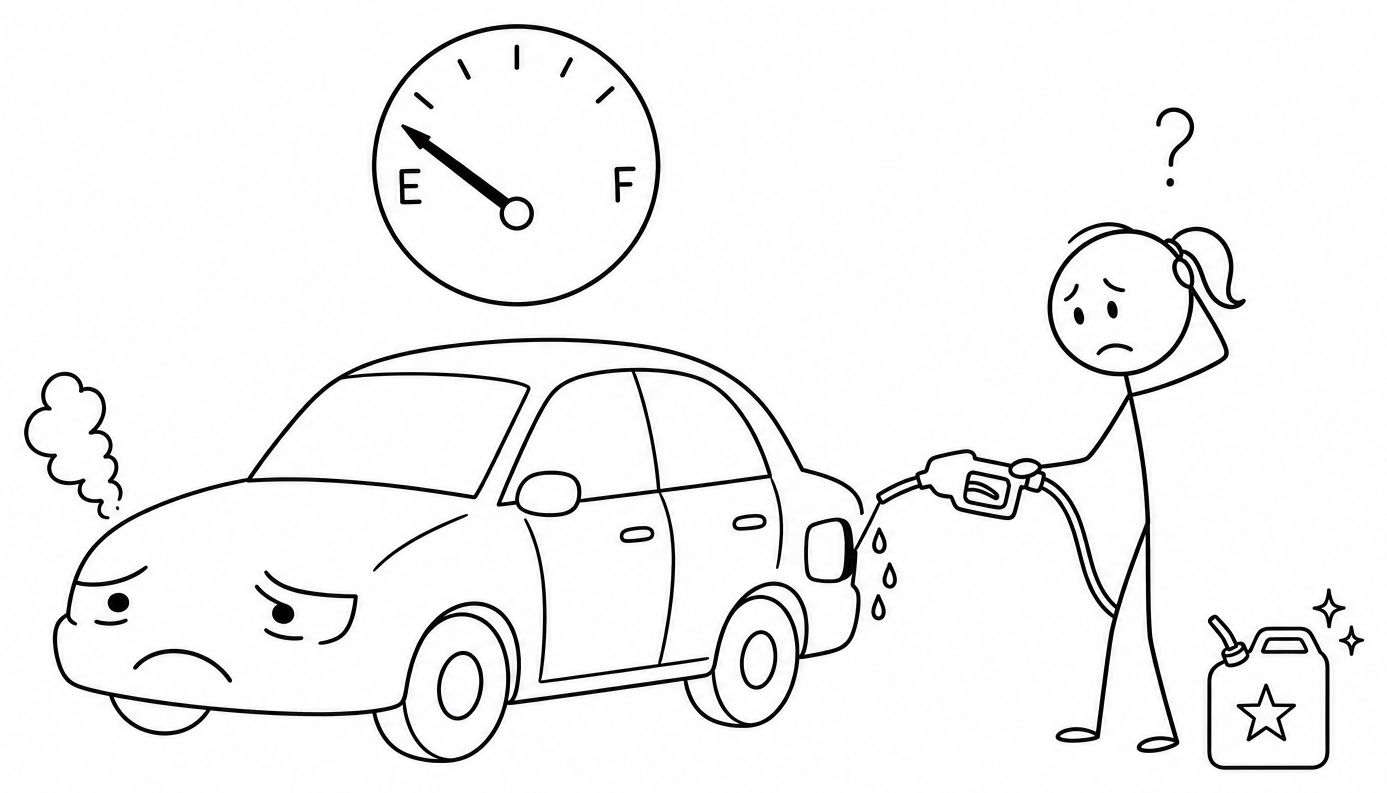
Lets think of that car again. If you put the best, most expensive, most premium gas in the world into your car but ONLY put a small trickle into it, what would happen? Your car would break down. It’s the same with your hormonal health — you could put the best most organic healthy foods into your body but if you just put a trickle into it then you are like that car
What are the signs you are undereating?
What staying at a HIGH deficit changes
The order
Your HIGH deficit
“If there was a golden calculation, I would have made a lot of money”
It’s a best guess — the same best guess I make with a private client on day one, except with a client I have 7 days of food tracking, symptom tracking on the metabolic menopause rating factor, and about 130 different data points first.
What makes it work isn’t the number that you generate from that best guess. It’s the four to six weeks after that number of watching what that number does, and adjusting it. All this calculation achieves is the first best guess.
Most of us are going to fall into this 12–15 band. The 6–7 days a week hard category (strict programmed training, semi-pro / marathon-triathlon level) is rarely used, and that category plus a physically demanding job is rarest. A physical job alone does not qualify for the top number.
This is a starting point, not a prescription. Your deficit number is not the number you eat in a day — it is the amount taken off maintenance.
This is the take-action part
Let me tell you which piece to run first for your VISCERAL FAT. Uncover your root driver of your visceral fat by using our mapping tool. No guesswork. No cost and a framework on how to reduce that root driver
Run my free mapping toolWhy the scale lies in MENOPAUSE
SO many women in menopause expect to see weight loss every week, especially in the beginning — that WILL NOT happen.
Trust me, I’ve done this with over 3,500 women. When we add lots of meno symptoms into the mix this will skew the scale in the beginning. This doesn’t mean weight loss isn’t happening — it simply means you need to be aware of what timeline to actually base your progress against depending on YOUR symptoms, the severity of them and how long they have been going on for
When a client starts working with us on a 1-1 basis who has a weight goal PLUS a goal of reducing a range of menopause symptoms, a key starting point is explaining the REALISTIC timeline of seeing the weight drop
By now you should be aware that if you have weight around the core then YOUR MENOPAUSE SYMPTOMS like sleep, gut issues, joint pain, brain fog etc are part of the root driver of your meno belly. Remember, we looked under the hood of the car and figured out the root issue when we grouped your menopause symptoms above into their visceral fat drivers.
So lets say if your sleep and/or your gut has got worse in menopause, and both of these drive weight around the core, what will see you getting back into your favorite jeans?
Eating less like you have already tried
OR reducing the two things causing your weight to expand? Ie the gut and sleep issues
Reducing the gut and the sleep issues. Every single time.
And here is why the scale lies to you in those first few weeks: when we start fixing sleep, gut, cortisol, inflammation and blood sugar, your body is repairing. Repair is not always light on the scale. Inflammation shifts, fluid shifts, digestion changes, your food intake is going up not down. Your body is doing exactly what we asked it to do (ie starting to heal and calm) and the scale can sit still, or even go up, while it does it.
What the first weeks actually look like when you PROPERLY work towards meno belly reduction
{{ item }}
Your timeline to see weight loss in menopause depends on YOU, not on an average
Three things set your realistic timeline:
The longer and the more severe, the more of your first phase is repair work, and the later the scale catches up with what is already happening inside. This is the exact conversation I have on day one with every 1 to 1 client who comes to me with a weight goal plus a list of symptoms, because if she measures month one with a scale she will quit in month one.
So what DO you measure in the first 30 days
Measure the root driver you identified above, because that is the thing actually holding your weight on:
{{ item }}
When those move, visceral fat is coming down. The scale is the last thing to report it, not the first.
Weight loss in menopause is a byproduct of reducing the things driving the weight. Fix the driver, feed the body properly, stay consistent when life gets messy, and the scale follows.
Chase the scale first and you will keep eating less and less and wondering why it goes up.
Start With A Protocol Built For Your Exact BODY
I showed you why weight loss in menopause feels harder. The fastest way to see results is to stop guessing which of the five drivers of visceral fat to fix first. Tell me about your symptoms, how long they have been occurring and I’ll show you the starting framework depending on YOUR symptoms, then go as deep as you want from there.
Not sure which of the symptom groups you fall into?
Get your entire Menopause Health screened in 3mins and have your root driver uncovered. Instead of guessing whether it’s your sleep, your gut, or your cortisol, go through the screening and our mapping tool will hand you your root driver and a framework to reduce it. Delivered free.
Start my 3-minute screeningWhen you want to go deeper than the initial starting point, here’s the rest of your journey to feeling like YOU again.
Ready to be coached through it?
Knowing WHAT to do is only half of the solution. If you want my team of menopause specialists to build your plan and keep you consistent when life gets busy, work with us 1-1.
Work with us